Thinking about a home EV charger or vehicle-to-home backup? You want what most homeowners want: the car charges, the house stays safe and the work holds up for warranty and insurance.
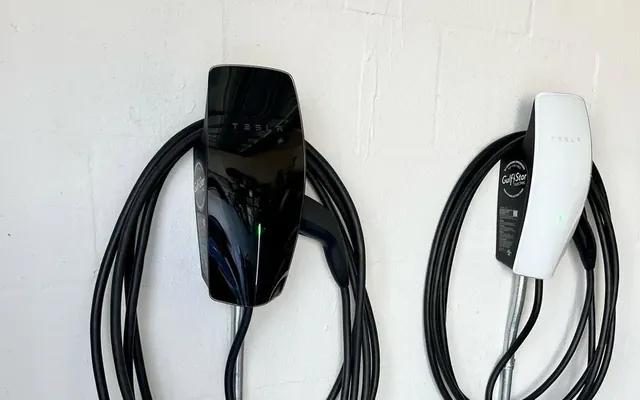
We are Gulfstar Electric in Clearwater, license EC13007765. We install Level 2 EV chargers and vehicle-to-home systems for local homes every week: Tesla Wall Connector and Universal Wall Connector jobs, Tesla Powershare and the panel work those projects often need.
A chatbot is a solid homework partner. It can explain terms and help you build a question list. It can’t see your panel, your garage, your vehicle or your local codes. A licensed electrical contractor still designs and stands behind the install.
What a Proper EV Charger or V2H Install Includes
Think of this as the shape of the job, not a DIY recipe. Each step protects something you care about.
-
How Your House Uses Power Today (Load and Panel Capacity)
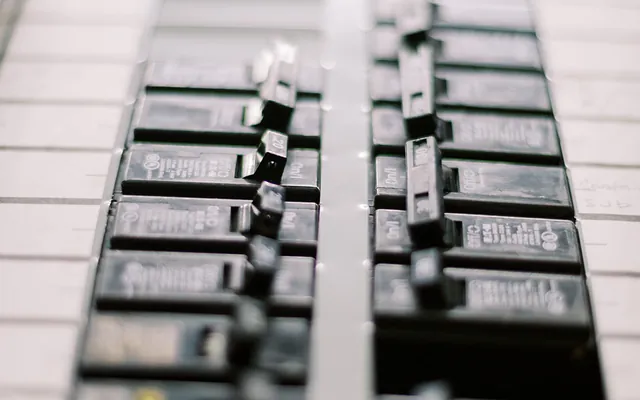
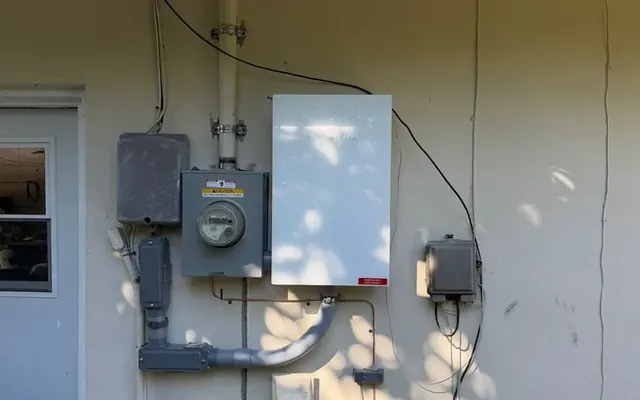
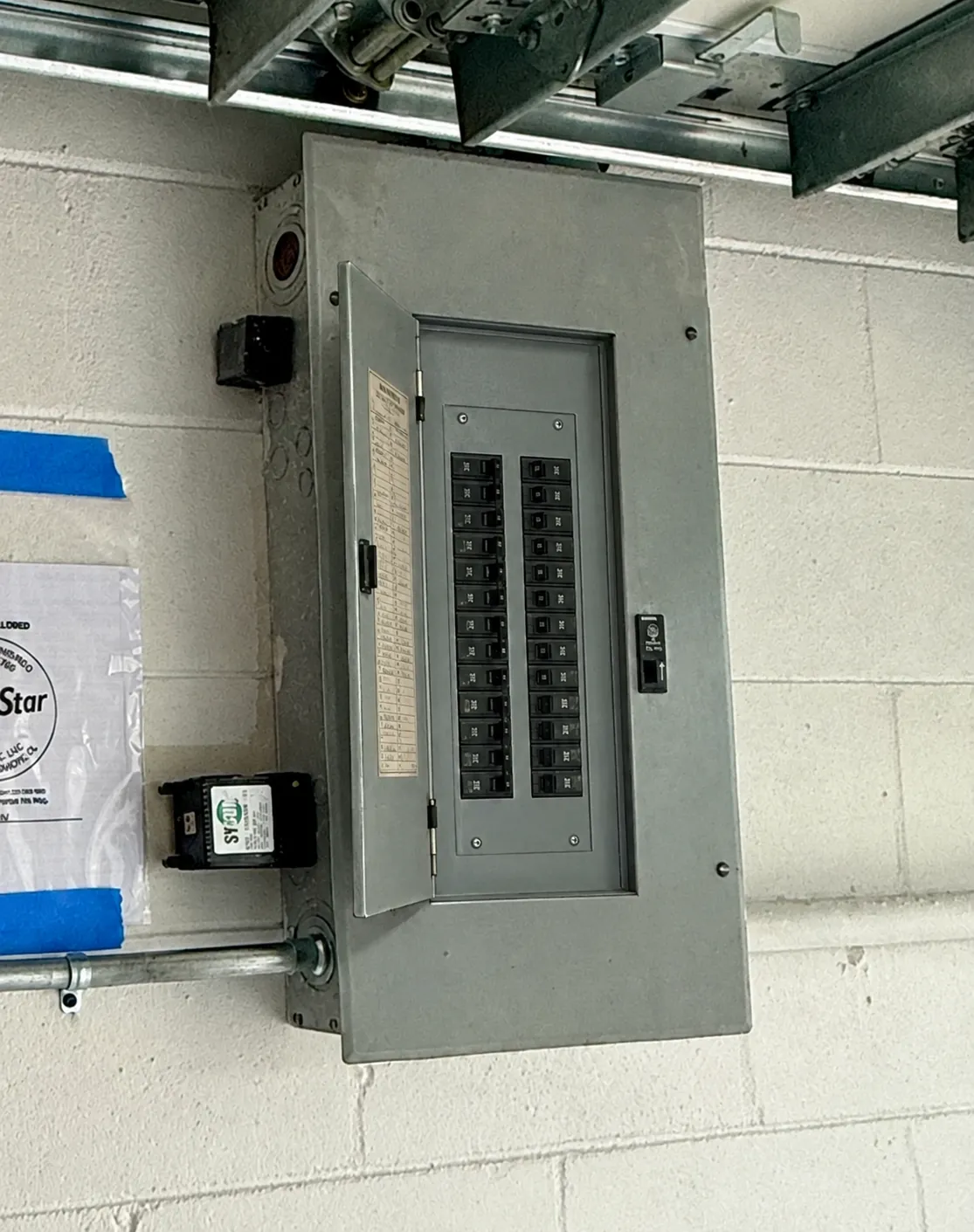
Panel capacity means how much electrical work your main panel can safely support on top of what the house already runs. We look at that before anything mounts on the wall.
Why it protects you: The charger shares the house with A/C, dryers, ovens and whatever else you already run. Getting this right keeps breakers from nuisance-tripping and keeps circuits from running hotter than they should.
-
The Right Gear for This Vehicle and This Wall
A Tesla Wall Connector install at home is not identical to a Universal Wall Connector job. Tesla Powershare is not the same path as a GM Home Energy System V2H setup. Breaker type, cable, grounding and setup steps belong to that product.
Why it protects you: Matching the manufacturer instructions helps the charger behave the way the car expects, and it keeps the warranty conversation cleaner if something fails later.
-
Commissioning and a Walkthrough
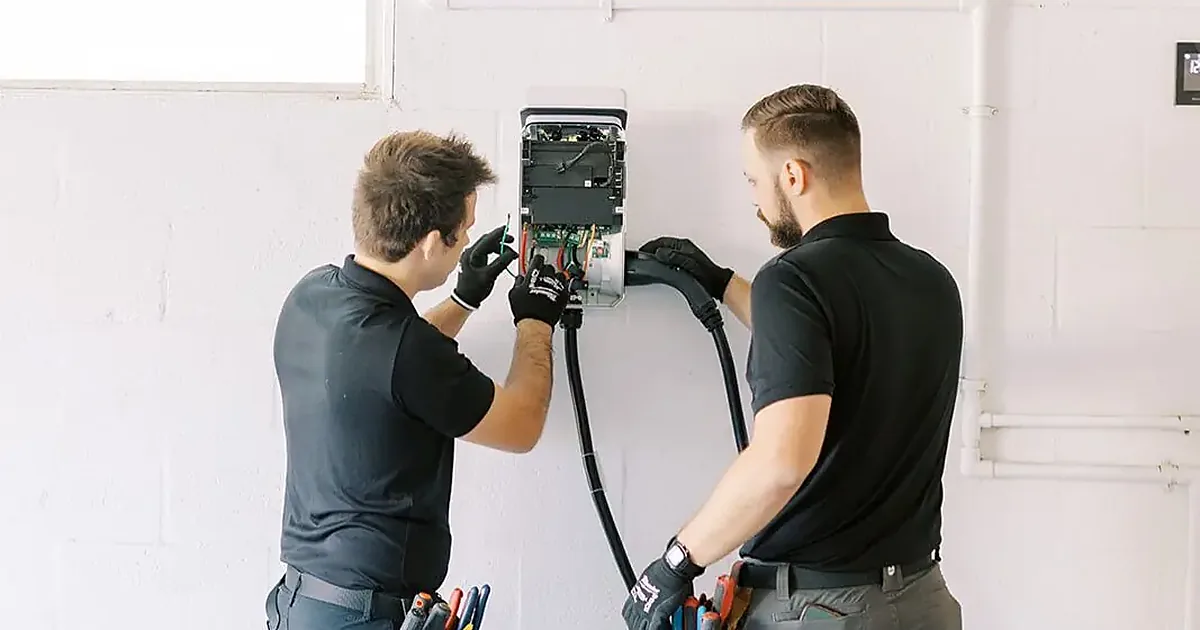
Commissioning means powering the system up the way the manufacturer intends, confirming it talks to the vehicle or backup path and handing you a clear explanation of what changed.
Why it protects you: You leave knowing how to charge day to day, what normal looks like and who to call if the charger will not stay online.
-
A Team That Stands Behind the Work
We live here. We work here. We answer the phone long after the install.
Why it protects you: If heat, smell, trips or a flaky charger shows up later, you have a local licensed company on the hook, not a chat history.
That is what an EV charger installation in Tampa Bay looks like when it is done as a designed job.

Where a Chatbot Helps, and Where Homework Stops
Use AI for This
- Learning what Level 2 means, in simple terms
- Building questions for the estimate
- Summarizing a manufacturer overview page you already have open
- Drafting an HOA note about an upcoming install
Stop here
- Choosing breaker size or wire for this panel from a chat window
- Deciding the panel “does not need” an upgrade without anyone opening the door
- Treating a chatbot reply as a diagnosis for heat, trips or a V2H fault
- Using AI options as the final design instead of an on-site look
Manufacturer apps and official manuals are written for that hardware. Prefer those over a general chatbot when you are reading product docs. Still pair them with a licensed on-site install for the electrical work.
A Chatbot Can’t See Your Panel
Use it for terms and a question list. A licensed electrical contractor still designs and stands behind the install.
Why DIY Plans From AI Often Miss the House
More and more, people show up with a ChatGPT plan that feels like the answer: amp size, wiring path, even “skip the panel upgrade.” Your questions are useful! But the printout isn’t the final design. The house still has to be checked. Here’s why:
- Every panel and house load is unique. Two neighbors can own the same car and need different electrical work.
- Breaker, wire and grounding have to match this gear and this house. Product names are not a wiring diagram.
- Manufacturer instructions and commissioning are product-specific. Powershare and V2H add backup hardware and setup steps a summary often skips.
- A chatbot has no Florida electrical license and no insurance on your home. A chatbot also does not show up later if something fails.
- Work done outside a proper install path can create warranty and insurance headaches. Documentation and who performed the work matter when questions come up later.

We already wrote a classic DIY Wall Connector piece, and a piece on problems that show up when a home EV station is installed the wrong way. This post is the newer question: using generative AI as if it were the electrician.
V2H and Powershare, Explained
Vehicle-to-home (V2H) means the car can help power the house during an outage, when the right hardware and setup are in place. Tesla Powershare is one Tesla-branded path in that world. GM Home Energy System V2H is a separate path. Keep them separate in your research.
These jobs raise the stakes: a backup path, extra hardware and commissioning matched to the car and the house. AI often misses those limits. If backup is a goal, tell us early.
Bring Your AI Notes As Questions
Curious? Great start. Jot down how you park and charge, whether backup or V2H is on your list, and which charger you’re looking at. Photos of the panel help, if you can take them safely.
Bring your chatbot notes as questions. We’ll walk the job, explain what we see and give you the investment for what fits your house.
FAQ
Can I Use Chatgpt (or Another AI) to Plan a DIY EV Charger Install?
Yes, AI can help with vocabulary and question lists. A safe install still needs a load look at your panel, the right gear for your vehicle, manufacturer instructions and a licensed electrical contractor for the electrical work.
When Is AI Useful on an EV or V2H Project?
Absolutely, as homework. It can explain terms like Level 2, panel capacity and AHJ, help with estimate questions, summarize a manufacturer page or draft an HOA note. It can’t see your panel, your garage or your vehicle.
Why Does an Electrical Contractor Still Decide After I Researched Online?
Because the design depends on what only an on-site look can confirm: how your house uses power and the right gear for your car and wall. Your research still makes the conversation faster.
What Is Different About V2H or Powershare Vs a Wall Connector?
A Wall Connector charges the car. V2H and Tesla Powershare let the car help power the house during an outage, so they add a backup path, extra hardware and commissioning that has to match the vehicle and the house. Tesla Powershare and GM Home Energy System V2H are separate paths.
What Should I Ask Before I DIY From a Chatbot?
Ask who does the load calculation and looks at this panel, who commissions the charger or V2H system and who stands behind the work afterward. If a chat-window plan cannot answer those, treat it as a question list, not a design.
Does the Manufacturer App Replace a Chatbot or an Electrician?
The manufacturer app is a better source than a general chatbot for product docs, because manufacturer apps and official manuals are written for that hardware. The app does not replace a licensed on-site install for the electrical work.
Can I Install a Tesla Wall Connector Myself?
We cover that question in our DIY Wall Connector post. The short version: the breaker, wire and grounding have to match your panel and the product. We recommend a licensed electrical contractor for the electrical work.
How to Book Gulfstar
Request a time or call (727) 755-1805. Text (727) 800-3730 for charger issues. office@gulfstarelectric.com. Mention Clearwater, Tampa or your town so we know where you are starting from.